

Blogs
Chicken Carbonara Is the One Pasta Recipe Worth Getting Right
Carbonara is one of the most misunderstood pasta dishes in the world. Most people have eaten a version of it made with cream and called it authentic. The real thing is entirely different. A proper carbonara sauce is made from nothing more than eggs, cheese, black pepper and starchy pasta water. No cream. No butter. No shortcuts. The eggs and cheese emulsify with the hot pasta water into a sauce that is glossy, silky and deeply savoury in a way that no cream-based version ever manages to replicate.
This recipe adds chicken to the classic base making it a more substantial and complete meal. Boneless Chicken Breast is seasoned simply and seared until golden in the same pan used to build the sauce. The fond left behind from the chicken adds depth to every strand of pasta. The key technique to master is adding the egg mixture off the heat and working quickly so the eggs cook gently in the residual heat rather than scrambling. Once you get that right, you will never order carbonara out again.
Chicken Carbonara Recipe
Serves: 3
Prep time: 10 minutes
Cook time: 20 minutes
Total time: 30 minutes
Ingredients
For the pasta:
- 300g spaghetti or rigatoni
- Generous amount of salt for the pasta water
For the chicken:
- 350g Boneless Chicken Breast, sliced into thin strips
- 1 tbsp olive oil
- 1/2 tsp salt
- 1/4 tsp black pepper
- 1/2 tsp garlic powder
For the carbonara sauce:
- 3 large egg yolks and 1 whole egg
- 60g Pecorino Romano, finely grated (or Parmesan, or a mix of both)
- 1 tsp freshly cracked black pepper
- 1/2 cup reserved pasta water (hot)
For finishing:
- Extra grated Pecorino or Parmesan for serving
- Extra freshly cracked black pepper
- Fresh flat-leaf parsley, chopped (optional)
Steps
- Make the egg and cheese mixture first. In a bowl whisk together the egg yolks, whole egg, grated Pecorino and freshly cracked black pepper until it forms a thick, uniform paste. Set aside at room temperature.
- Bring a large pot of generously salted water to a boil. Cook the spaghetti or rigatoni according to the packet instructions until al dente. Before draining reserve at least half a cup of the pasta water. This starchy water is essential for loosening the sauce and helping it emulsify correctly. Drain the pasta and set aside.
- While the pasta cooks, season the chicken strips with salt, black pepper and garlic powder. Heat the olive oil in a large wide frying pan or skillet over medium-high heat. Add the chicken in a single layer and cook for 3 to 4 minutes on each side until golden and cooked through. The internal temperature should reach 75 degrees Celsius. Remove the chicken from the pan and set aside. Do not wipe the pan.
- Add the drained pasta directly to the same pan and place it over very low heat. Add a few tablespoons of the reserved pasta water to the pan and toss the pasta well so it picks up the fond from the chicken.
- Remove the pan from the heat entirely. This is the most important step. The pan must be off the heat before adding the egg mixture to prevent the eggs from scrambling. Pour the egg and cheese mixture over the hot pasta and toss quickly and continuously. The heat of the pasta and the residual warmth of the pan will gently cook the eggs into a silky sauce. Add reserved pasta water one tablespoon at a time and continue tossing until the sauce is glossy, creamy and coats every strand of pasta. The consistency should be loose enough to coat the pasta but not watery.
- Add the cooked chicken back to the pan and toss gently to combine everything. Taste and adjust the seasoning with salt and more black pepper.
- Serve immediately in warm bowls. Finish with a generous grating of Pecorino, an extra crack of black pepper and chopped parsley if using. Carbonara waits for no one and should be eaten the moment it is ready.
Tips for Best Results
Always take the pan off the heat before adding the egg mixture. This is the single most important rule in carbonara. Eggs added to a hot pan over heat will scramble immediately. The residual heat of the pasta and pan is more than enough to cook the eggs into a silky sauce.
Use freshly grated cheese and never pre-grated. Pre-grated cheese contains anti-caking agents that prevent it from melting smoothly. Freshly grated Pecorino or Parmesan melts seamlessly into the egg mixture and gives the sauce its glossy, cohesive texture.
Reserve more pasta water than you think you need. The starchy pasta water is what makes the carbonara sauce work. It thins the sauce to the right consistency and helps the egg and cheese emulsify without curdling. Always save at least half a cup before draining.
Work quickly once the egg mixture goes in. Carbonara sauce does not wait. Add the egg mixture to the off-heat pasta and toss continuously and confidently until the sauce coats every strand. Hesitation leads to scrambled eggs.
Serve in warm bowls. Carbonara cools quickly and the sauce thickens as it sits. Warm bowls keep it at the right temperature for longer and make every bite as good as the first.
Chicken carbonara is one of those recipes where technique matters more than anything else. Once you understand the principle of cooking the eggs gently off the heat, the rest of the recipe falls into place naturally. It is a dish worth the learning curve and one that rewards you with something genuinely extraordinary every time you get it right.
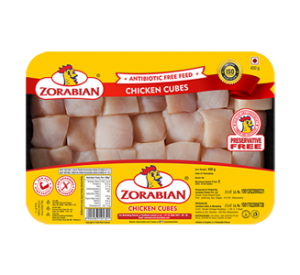
Order Zorabian Boneless Chicken Breast from shop.zorabian.com and try this recipe at home.