


Blogs
How to Make Chicken Achari at Home with Authentic Pickle Spices
Chicken Achari is one of those curries that stands out from all the others because of its bold, tangy and slightly bitter flavour profile that comes from traditional Indian pickling spices. The name itself tells you everything you need to know, because achari means pickle in Hindi, and this North Indian dish is made with the same spices used to make Indian pickles. Mustard seeds, fenugreek, fennel, nigella and cumin are toasted and ground into a fragrant spice blend, then used to flavour tender chicken pieces that simmer in a rich onion and tomato gravy with yoghurt. The result is a curry that tastes complex and layered, with warmth, spice, tanginess and a hint of bitterness that balances everything perfectly.
This recipe uses chicken curry cut that has been marinated briefly in yoghurt and turmeric before cooking. The pickling spices are dry-roasted to release their essential oils, then ground into a coarse powder that gets added to the curry. Mustard oil is traditional for achari dishes, but you can use regular vegetable oil if you prefer. The chicken cooks in the spiced gravy until tender, and a final addition of whisked yoghurt at the end gives the curry a creamy texture and extra tang. Serve it with naan, roti or steamed rice to soak up every drop of the flavourful gravy. That is exactly what authentic North Indian cooking should be.

Chicken Achari Recipe
Serves: 4 to 5
Prep time: 20 minutes (plus 30 minutes marinating)
Cook time: 40 minutes
Total time: 1 hour 30 minutes
Ingredients
For the Achari masala (pickling spice blend)
- 1 tsp mustard seeds (black or yellow)
- 1 tsp fennel seeds
- 1 tsp fenugreek seeds (methi dana)
- 1 tsp nigella seeds (kalonji)
- 1 tsp cumin seeds
For the Chicken
- 750 g Chicken Curry Cut
- 1/2 cup plain yoghurt, whisked
- 1/2 tsp ground turmeric
- 1/2 tsp salt (for marinade)
For the Curry
- 3 tbsp mustard oil or vegetable oil
- 2 medium onions, finely chopped
- 1 tbsp ginger-garlic paste
- 3 medium tomatoes, pureed or finely chopped
- 1 tsp red chilli powder (adjust to taste)
- 1 tsp ground coriander
- 1/2 tsp ground turmeric
- 1 tsp salt (or to taste)
- 1 cup water
- 1/4 cup plain yoghurt, whisked (for finishing)
- 2 to 3 green chillies, slit lengthwise (optional)
- 1 tsp garam masala
For Garnish
- Fresh coriander leaves, chopped
- 1 tsp dried fenugreek leaves (kasuri methi), crushed (optional)
Steps
- In a large mixing bowl, combine the chicken curry cut pieces with half a cup of whisked yoghurt, half a teaspoon of turmeric and half a teaspoon of salt. Mix well until all the chicken pieces are evenly coated. Cover the bowl with cling film and refrigerate for at least 30 minutes. You can marinate for up to 2 hours if you have time. This step helps tenderize the chicken and infuses it with flavour.
- Heat a dry frying pan or tawa over low to medium heat. Add the mustard seeds, fennel seeds, fenugreek seeds, nigella seeds and cumin seeds to the hot pan. Dry-roast the spices for 2 to 3 minutes, stirring constantly, until they become fragrant and slightly darker in colour. Be very careful not to burn them, especially the fenugreek seeds which can turn bitter if overcooked. The spices should smell warm and toasted, not burnt. Remove the pan from the heat immediately once they are done.
- Transfer the roasted spices to a plate and let them cool completely for about 5 minutes. Once cooled, grind them in a spice grinder or using a mortar and pestle into a coarse powder. You do not need to make it very fine. A slightly coarse texture works well for achari masala. Set this achari spice blend aside.
- Heat 3 tablespoons of mustard oil or vegetable oil in a large, heavy-bottomed pan or kadai over medium-high heat. If using mustard oil, heat it until it just begins to smoke, then reduce the heat to medium. This step mellows the pungency of mustard oil. If using regular vegetable oil, simply heat it until shimmering.
- Add the finely chopped onions to the hot oil. Sauté over medium heat for 8 to 10 minutes, stirring frequently, until the onions turn golden brown. The onions should be well caramelized and soft. This step is important for building the flavour base of the curry.
- Add the ginger-garlic paste to the browned onions and sauté for 1 to 2 minutes, stirring constantly, until the raw smell disappears and the paste is well incorporated. The mixture should smell aromatic and cooked, not raw.
- Add the pureed or finely chopped tomatoes to the pan. Cook for 8 to 10 minutes over medium heat, stirring occasionally, until the tomatoes break down completely, the mixture thickens and the oil starts to separate from the sides. This is called the bhuna stage and is crucial for a rich, deep flavour. The tomato mixture should be thick and paste-like, not watery.
- Add the red chilli powder, ground coriander, turmeric and salt to the cooked tomato and onion mixture. Stir well and cook for 1 to 2 minutes to let the ground spices bloom and become fragrant. The mixture should be thick and glossy.
- Add the freshly ground achari masala (pickling spice blend) to the pan. Stir well to incorporate the spices into the onion and tomato mixture. Cook for 1 minute to allow the achari spices to release their flavour into the gravy.
- Add the marinated chicken pieces along with all the marinade to the pan. Stir well to coat the chicken evenly with the spiced masala. Increase the heat to medium-high and cook the chicken for 5 to 7 minutes, stirring frequently, until the chicken changes colour and is seared on the outside. This bhuna or browning step adds depth to the flavour.
- Add 1 cup of water to the pan and stir well. Bring the curry to a boil, then reduce the heat to low. Cover the pan with a lid and let the chicken simmer gently for 20 to 25 minutes, stirring occasionally, until the chicken is cooked through and tender. The internal temperature should reach 75 degrees Celsius or 165 degrees Fahrenheit. If you are using bone-in curry cut, it may need a few extra minutes.
- While the chicken is simmering, whisk the remaining quarter cup of yoghurt in a small bowl until smooth. This will be added at the end for creaminess and extra tang.
- Once the chicken is cooked, uncover the pan and increase the heat to medium. Cook for 3 to 5 minutes, stirring occasionally, to reduce any excess liquid and thicken the gravy. The gravy should coat the chicken pieces and not be too watery. If you like a thicker gravy, cook for a few more minutes. If you prefer it thinner, add a splash of water.
- Reduce the heat to low. Add the whisked yoghurt to the curry slowly, stirring constantly to prevent it from curdling. Mix well until the yoghurt is fully incorporated into the gravy. Add the slit green chillies if using. Sprinkle the garam masala over the curry and stir gently. Let it simmer on low heat for 2 to 3 minutes to allow the flavours to blend.
- Turn off the heat. Taste and adjust the seasoning with salt if needed. Garnish with fresh chopped coriander leaves and crushed kasuri methi if using. Serve hot with naan, roti, paratha or steamed basmati rice.
Tips for Best Results:
- Do not skip the step of dry-roasting the pickling spices. Roasting releases the essential oils and deepens the flavour of the spices. Raw spices will not give the same authentic achari taste.
- Be very careful not to burn the fenugreek seeds while roasting. They have a tendency to burn quickly and will turn bitter if overcooked. Roast on low to medium heat and stir constantly.
- Mustard oil is traditional for achari chicken and adds an authentic pungent flavour that complements the pickling spices beautifully. If using mustard oil, heat it until it smokes, then reduce the heat. This mellows the sharpness. If you do not have mustard oil, regular vegetable oil or sunflower oil works fine.
- Cook the onions until they are golden brown. Properly browned onions add sweetness and depth to the curry. If the onions are undercooked and pale, the curry will lack flavour.
- Cook the tomatoes until the oil separates from the sides. This is an essential step in Indian cooking called bhuna. It ensures the tomatoes are fully cooked and the curry has a rich, concentrated flavour. If you skip this step, the curry may taste raw.
- Add the yoghurt slowly and stir constantly to prevent curdling. If you add it too quickly or over high heat, the yoghurt will split and make the curry look grainy. Always whisk the yoghurt smooth before adding and keep the heat low.
- Adjust the consistency of the gravy to your preference. If you like a thick, dry curry that coats the chicken, cook it longer to reduce the liquid. If you prefer a saucier curry, add a bit more water during cooking.
- Green chillies add heat and freshness to the curry. You can slit them lengthwise and add them whole so they infuse the curry with flavour without making it too spicy. Remove them before serving if you prefer.
- This curry tastes even better the next day as the flavours have more time to develop and meld together. Store leftovers in an airtight container in the refrigerator for up to 3 days. Reheat gently on the stovetop with a splash of water if needed.
- You can make the achari masala spice blend in a larger batch and store it in an airtight container for up to 3 months. This way, you can make achari chicken anytime without having to roast and grind the spices each time.
- Achari chicken pairs beautifully with Indian flatbreads like naan, roti or paratha. It also goes well with steamed basmati rice or jeera rice. Serve with a side of sliced onions, lemon wedges and mint chutney.
Chicken Achari is one of those curries that proves the magic of Indian pickling spices. The bold, tangy and slightly bitter flavours from the achari masala make this dish completely unique and unforgettable. Once you have tasted authentic achari chicken made at home, you will understand why it has become such a beloved North Indian classic. That is exactly what great Indian cooking should be.
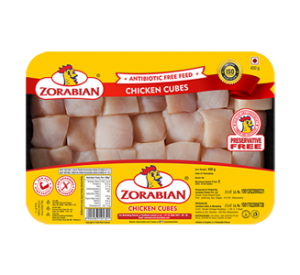
Visit shop.zorabian.com to order Zorabian’s Chicken Curry Cut and try this recipe today.